Author
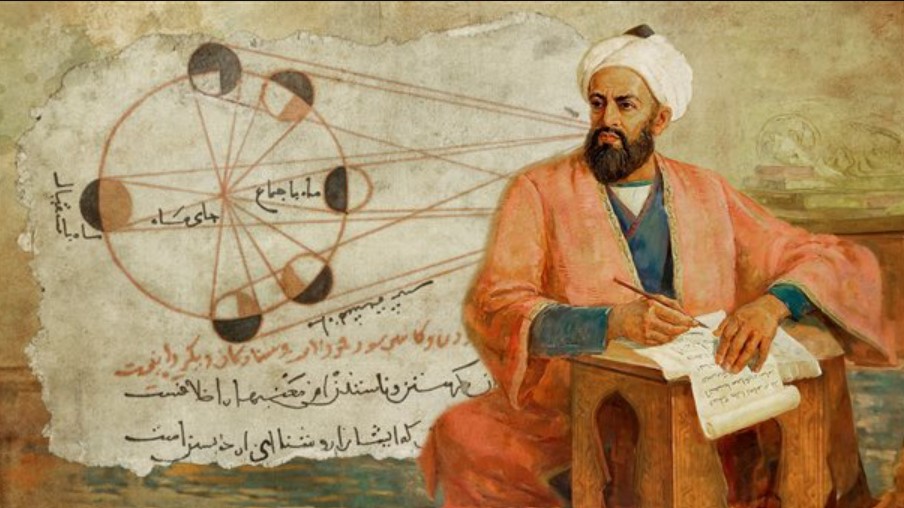
Avicenna Was Ibn Sina - The Strange Politics of Names
From Constantinople to the Latinized East — how civilizations remember, transform, and sometimes erase.
Waa Say 14 min


Phenomenology is the philosophical study of structures of consciousness as experienced from the first-person point of view. Founded by Edmund Husserl, it focuses on how1,4-8,10,11,13,15, it focuses on how6,10,11,13,15 phenomena (things, events, or experiences) appear to us, emphasizing the meaning of lived experience rather than objective, external reality. It is used in philosophy, qualitative research, and psychology to understand the "essential", core features of human experience.Key Aspects of PhenomenologySubjective Experience: It concentrates on how an individual perceives and interprets an event, not just the event itself."To the Things Themselves": A key mantra (originating from Husserl) aiming to describe experience directly, suspending biases, preconceived theories, or assumptions about reality—a process often called epoché or bracketing.Intentionality: The concept that consciousness is always directed toward something—one is always conscious of something.Methodology: In research, it is a qualitative method aimed at exploring the shared "essence" of an experience among individuals
4 articles
From Constantinople to the Latinized East — how civilizations remember, transform, and sometimes erase.

Which came first, the chicken or the egg?" It is the ultimate circular argument, a logical loop designed to give philosophers a headache and make children giggle.
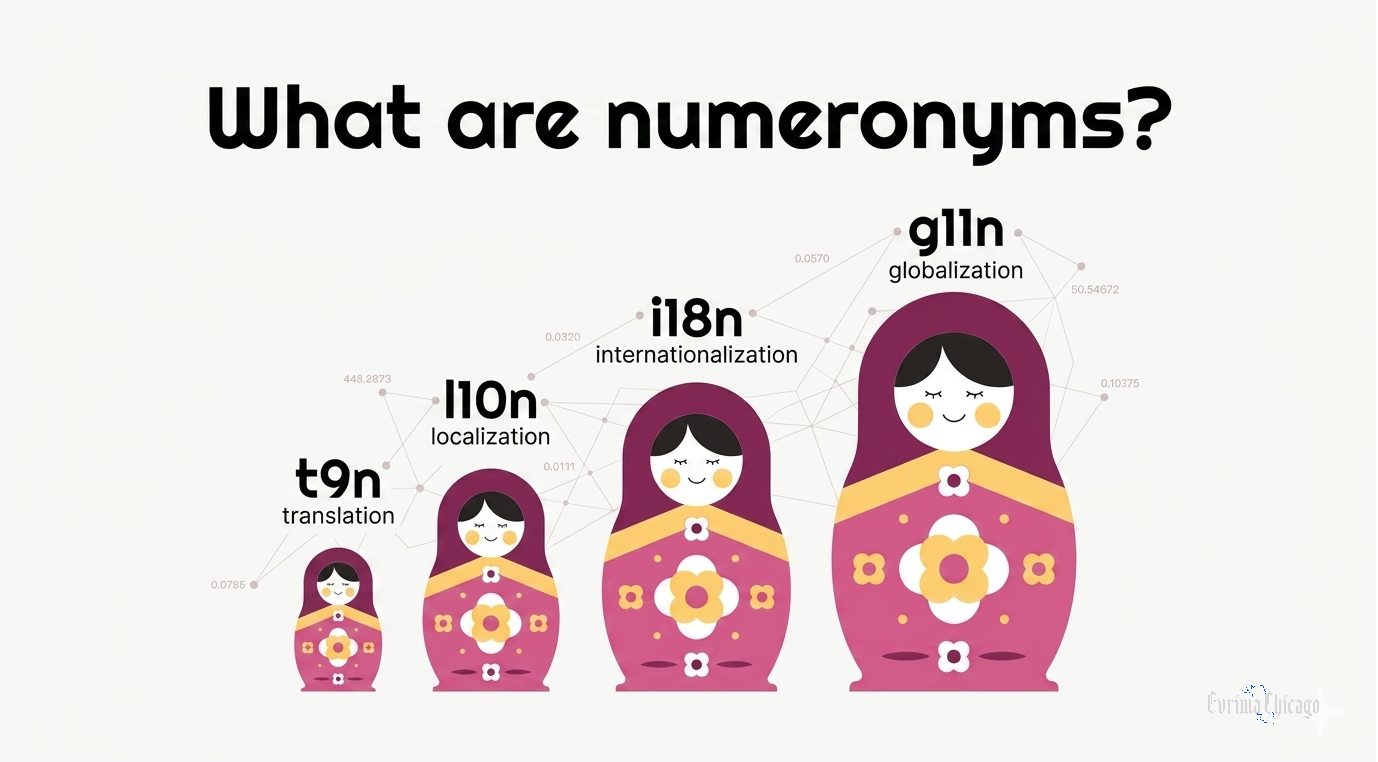
How Numeronyms Became the Native Language of the Digital Economy

Phenomenology of the 'Karen' Archetype: Socio-Digital Proliferation and Cultural Implications